History
For the Kalispel Tribe of Indians, where we are going is just as important as where we have been. Our history is defined by old tradition and a long affiliation with the land we still call home.
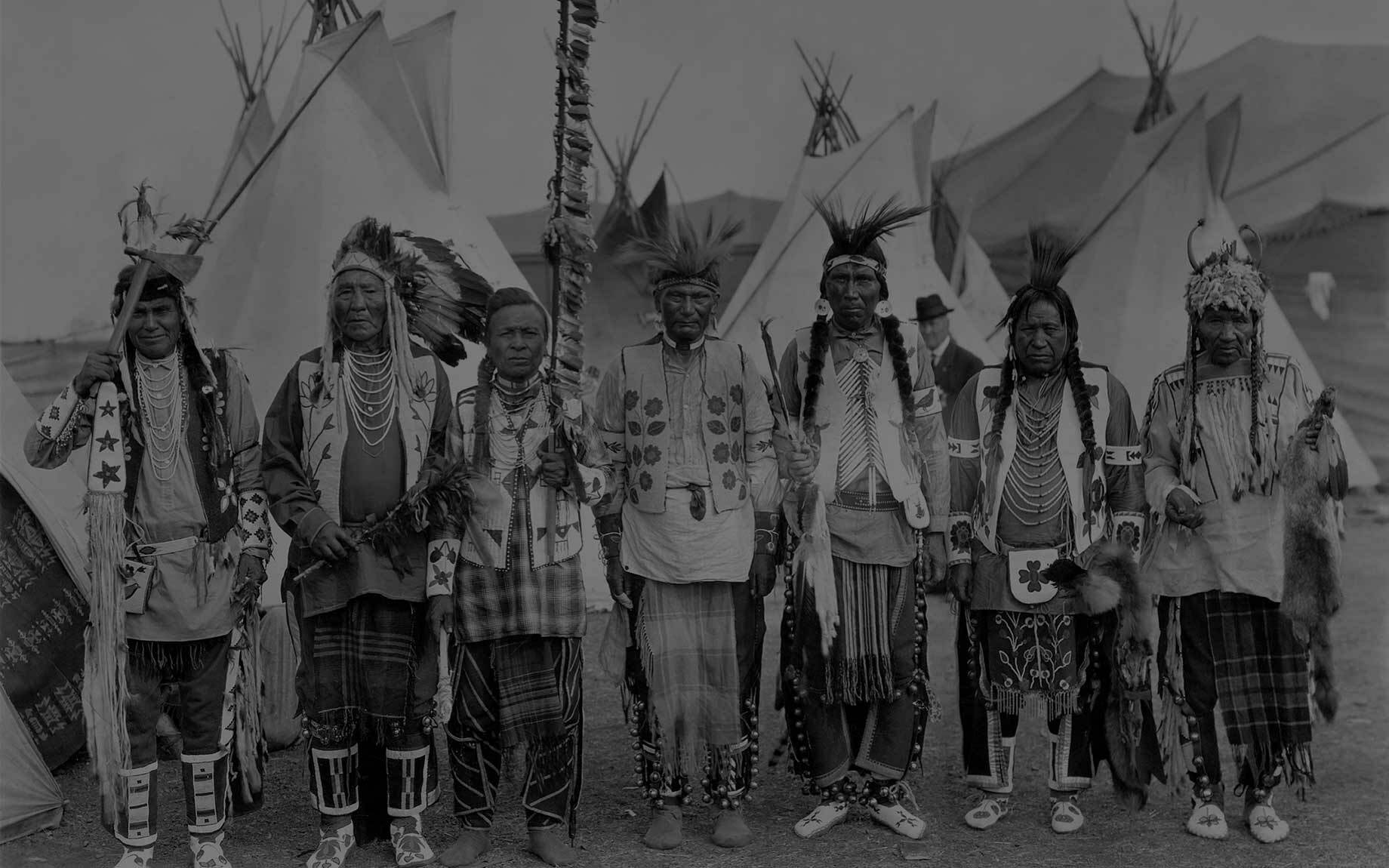
During the mid to late 19th century, the Kalispel Tribe of Indians worked to preserve its culture and life in the midst of increasing white settlement in the area. Roman Catholic priests began working with the Tribe in 1844. In 1855, the Upper Kalispel Tribe ceded its lands and moved to the Jocko Reservation in Montana at the request of the U.S. Government. The Lower Kalispel Tribe, ancestors of today's Kalispel members, refused to give up ancestral lands and continued to work toward an agreement that would allow the Tribe to remain on its homeland.
During the late 1800s, while most other tribes were going through the process of having reservations established, the Kalispel Tribe of Indians had almost no relationship with the federal government. Congress did propose a treaty in 1872, but the terms were poor and the Tribe refused to sign it. By 1874, Congress had stopped establishing treaties with tribes altogether, leaving the Kalispel Tribe with no legal protection.
By 1875, the Tribal population had shrunk to only 395 people. From 1880 to 1910, as more white settlers moved into Kalispel territory, the Tribe witnessed its land disappearing, but could do nothing to prevent it. Many of the white settlers filed claims under the Homestead Act in order to "legally" obtain land which was rightfully home for much of the Tribe. This time period also introduced the widespread use of alcohol, which many consider to be a fundamental source of the breakdown of the family unit.
For generations, Kalispel members remained trapped in a substance environment in 1965, only a couple of homes on the reservation had running water and there was only one telephone for the whole Tribe. The average annual income for a Tribal member was approximately $1,400.
The Kalispel Tribe of Indians has faced several challenges associated with life in remote rural areas such as unemployment, inadequate housing, limited economic opportunities and prejudice. With most of the land on the reservation unsuitable for development, the Tribe has had to develop innovative ways to create opportunity for Tribal members. The Tribe’s pioneering spirit, combined with sheer determination, resiliency and community cohesiveness, has allowed the Tribe to overcome many difficult circumstances.
Each year, the Kalispel Tribe of Indians moves closer to achieving its goal of self-sufficiency and increased economic opportunities. By working together with the community, the future holds endless possibilities for growth.